Calories Determine Your Weight: Start Here


Calories determine whether your weight goes up, down, or stays about the same over time.
- Eat more calories than your body uses, and your weight trends up.
- Eat fewer calories than your body uses, and your weight trends down.
- Eat about as many calories as your body uses, and your weight stays roughly the same.
That’s the lesson. Get that part straight before you go looking for a more complicated answer.
Yesterday, we defined what it means to get swole, lean, or ripped. Today, we’re starting with the foundation for changing your weight.
If you remember one nutrition lesson from Swole30, make it this one.
Start With Calories
A calorie is a unit of energy. Food and drinks supply it. Your body uses it to keep you alive, digest food, move around, and exercise.
When you consistently take in less energy than you use, you create a calorie deficit. That’s what you need to lose body fat.
You can eat organic food, cut out bread, stop eating after dinner, or buy every product with “healthy” on the package. If those changes don’t create a calorie deficit, they won’t produce the fat loss you’re looking for.
Before you overhaul your diet again, look at how much you’re actually eating and drinking.
Read the Calories. Then Read the Serving Size.
For today’s lesson, go straight to the calorie number on the nutrition label. Then check what that number covers.
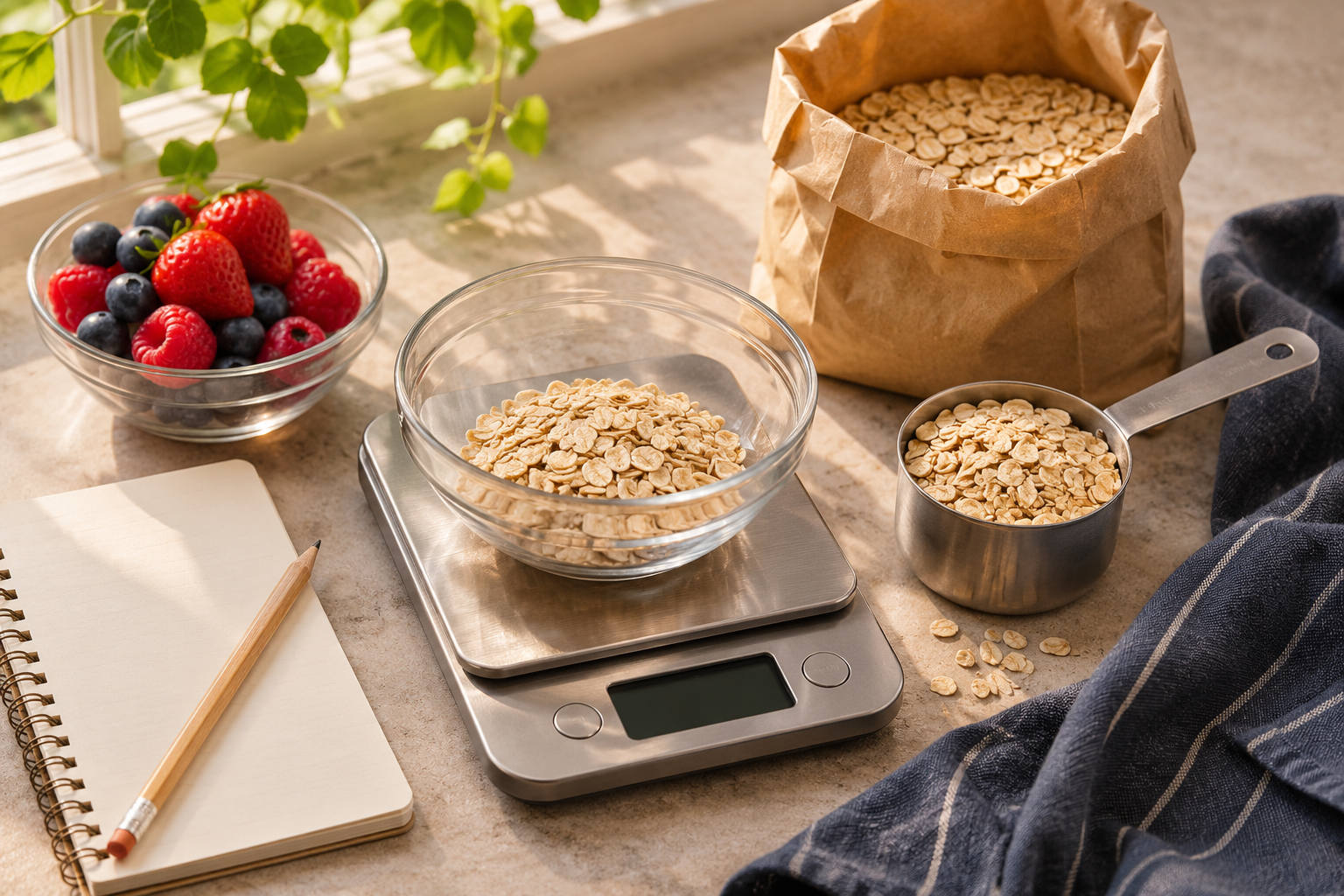
If something has 200 calories per serving and you eat two servings, you ate 400 calories. The number on the label only helps if you know how much you’re eating.
That sounds obvious. It’s also easy to overlook when you’re pouring cereal into a bowl or eating straight from a bag.
You don’t have to weigh every bite forever. Measuring a few of your usual portions can show you where your guesses are off.
Where Extra Calories Add Up
You don’t need a huge meal to eat more calories than you realize. Check these places first:
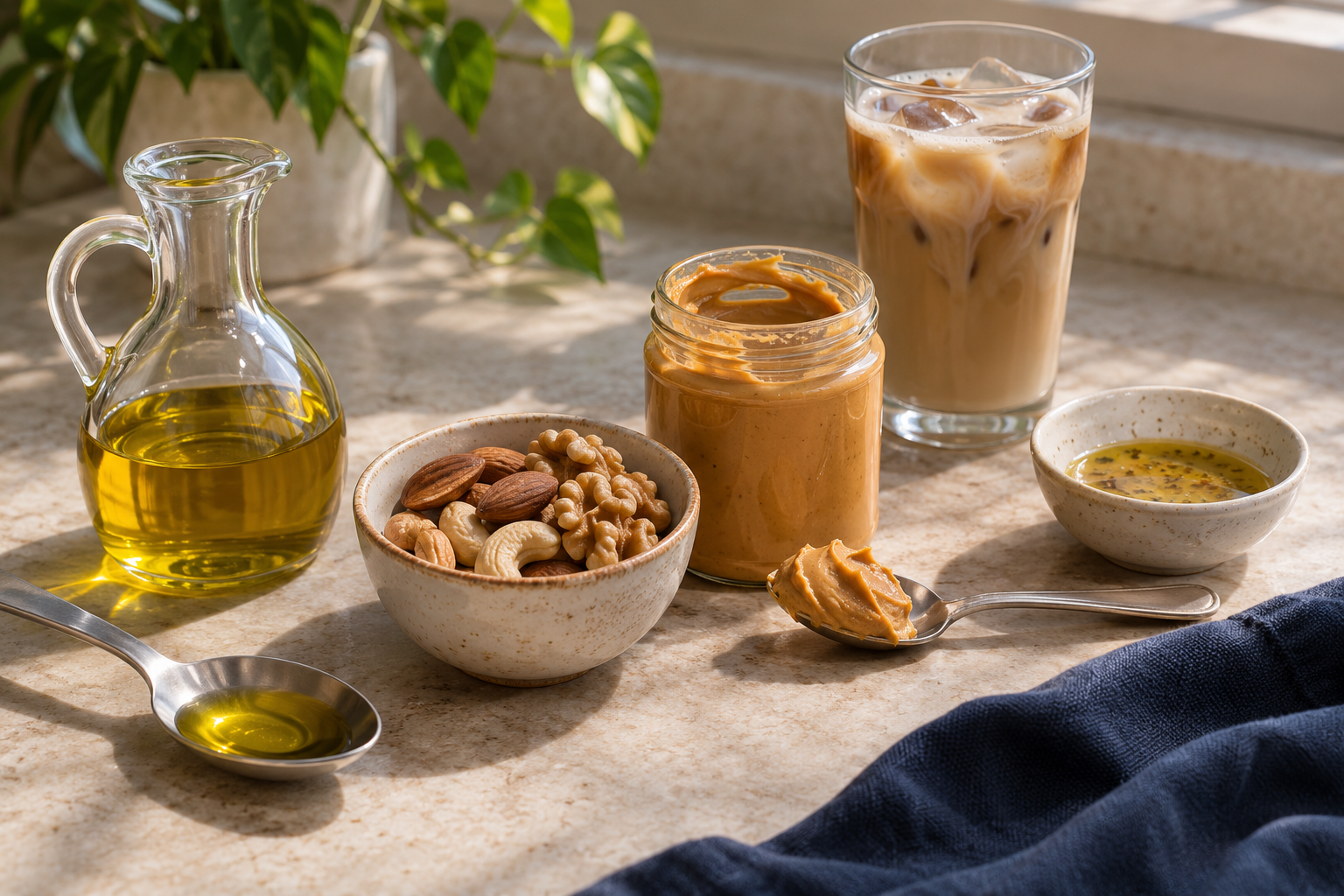
- Drinks: Sweetened coffee, juice, soda, alcohol, and smoothies all count. A drink can add a substantial number of calories without feeling like another meal.
- Cooking oil, dressings, and sauces: The chicken and vegetables count. So does the oil in the pan, the dressing on the salad, and the sauce you add afterward.
- Foods with a healthy reputation: Nuts, nut butter, granola, avocado, and olive oil can fit into a nutritious diet. They can also pack a lot of calories into a small portion. “Healthy” doesn’t mean unlimited.
- Bites and handfuls: A handful of chips. A few bites while cooking. The rest of somebody else’s snack. Each one may be small, but several throughout the day can add up.
- Weekends: Your weekly intake includes Friday night through Sunday. You can create a deficit during the week and eat enough extra over the weekend to cancel it out. One meal doesn’t ruin anything. Repeated patterns affect the result.
Watch the Trend
Calories determine the longer-term direction. Tomorrow morning’s scale reading can also reflect water, stored carbohydrates, and food still moving through your digestive system.
Weigh yourself under similar conditions and look at the trend over several weeks. Don’t rewrite your whole plan because of one weigh-in.
Your calorie needs are individual, too. Genetics, medications, and health conditions can affect appetite and energy use. Your needs can also change as you lose weight. That helps explain why the same intake produces different results for different people.
Food Quality Still Matters
Calories are the starting point for changing your weight. Protein, food quality, and resistance training help determine how full you stay, how you feel, and how much muscle you keep or build.
We’re trying to get leaner and more muscular. Pay attention to both.
What to Do Today
Start with one normal day:
- Notice everything you eat and drink, including the extras.
- Check calories and serving sizes on foods you eat regularly.
- Measure a few portions you usually guess.
- If fat loss is your goal, choose one manageable change, like a smaller portion of dressing or a lower-calorie drink.
You don’t need to slash your intake or eliminate your favorite foods. Start by understanding what you’re eating.
Calories determine the direction. Stop ignoring them.