Micronutrients Matter: Nutrition’s Impact on Your Health

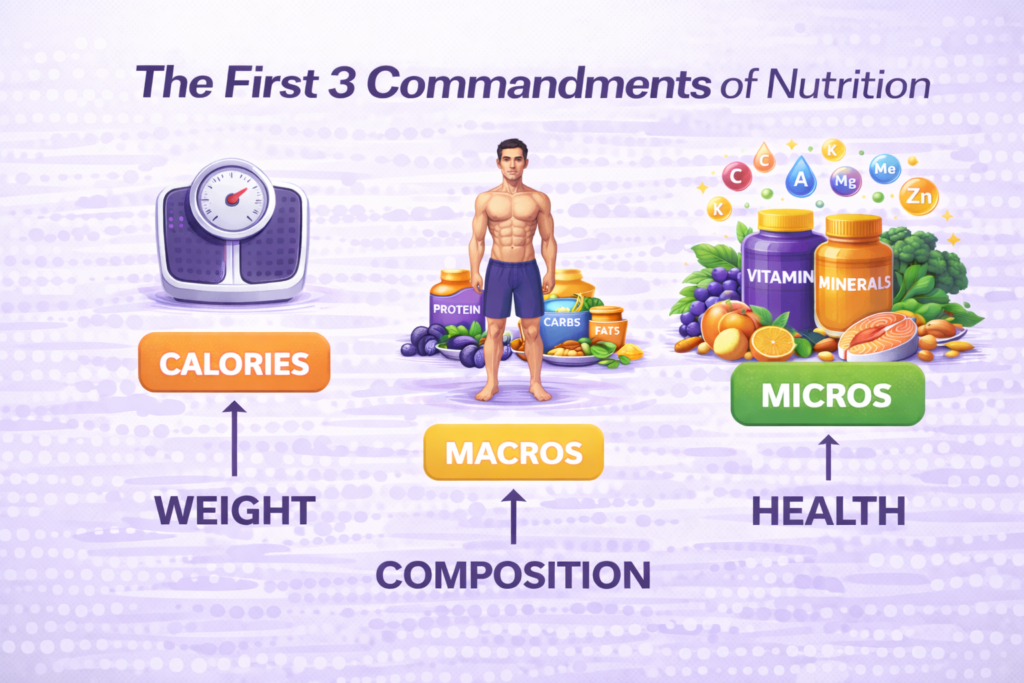
The first commandment of nutrition explains that calories determine your body weight.
The second commandment explains that macronutrients help determine your body composition.
But nutrition does not stop there.
Even if calories and macros are dialed in, your diet still needs to support something equally important:
Your overall health.
That’s where micronutrients come in.
The Third Commandment of Nutrition
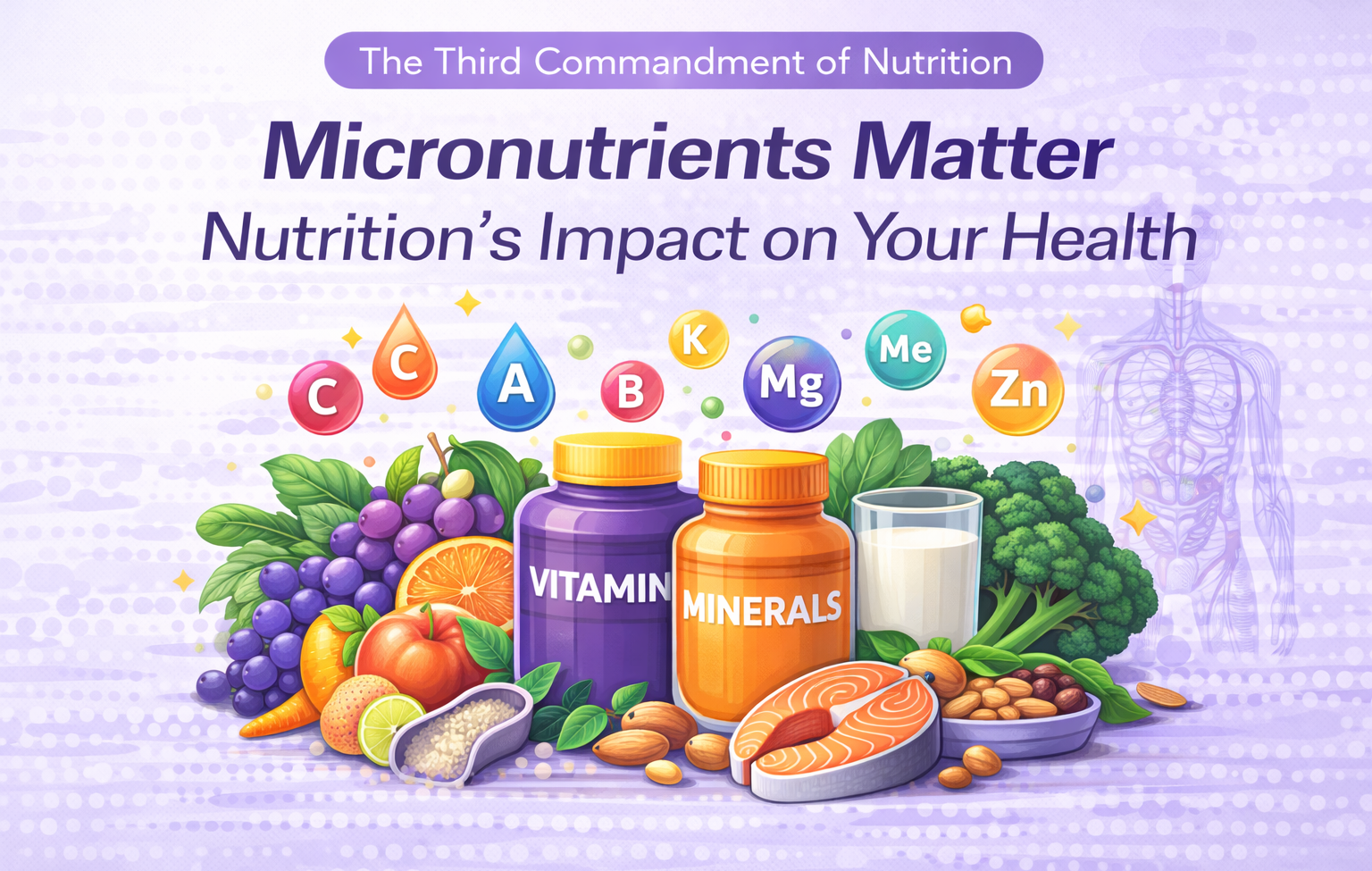
Micronutrients support health.
Micronutrients — vitamins and minerals — do not directly determine whether your weight goes up or down.
But they play a huge role in how well your body functions.
These nutrients support many critical processes in the body including:
- energy production
- immune function
- nerve signaling
- muscle contractions
- oxygen transport
- hormone regulation
When micronutrient intake is adequate, your body is better able to perform, recover, and function optimally.
What Are Micronutrients?
Micronutrients are nutrients your body needs in smaller amounts, but they are still essential for health.
The two major categories are:
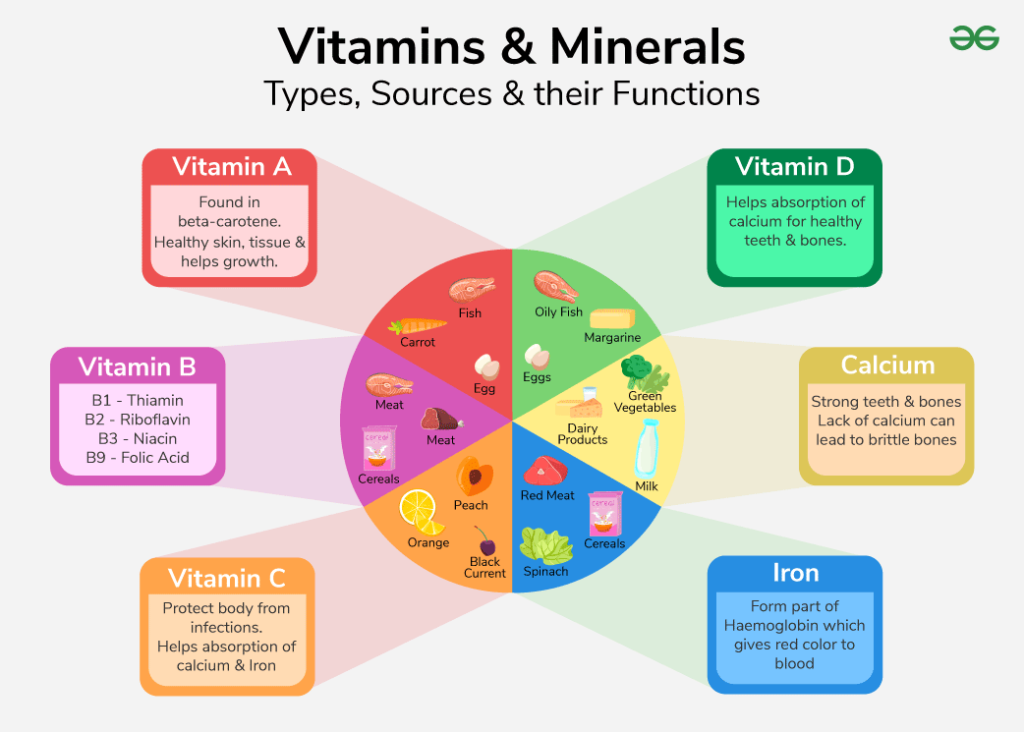
Vitamins
Examples include:
- Vitamin A
- Vitamin C
- Vitamin D
- Vitamin E
- Vitamin K
- B vitamins
Each of these plays a role in supporting different bodily functions.
Minerals
Examples include:
- Iron
- Magnesium
- Potassium
- Calcium
- Zinc
- Sodium
These minerals help regulate everything from muscle contractions to hydration and oxygen transport.
Even though the body only needs small amounts of these nutrients, they are critical for normal physiological function.
Weight Loss Does Not Automatically Mean Good Nutrition
This is an important point that many people misunderstand.
A person could technically lose weight eating a diet made mostly of highly processed foods if they are still maintaining a calorie deficit.
As we discussed in the first commandment, the scale only reflects energy balance.
But that does not mean the diet is supporting long-term health.
A diet built mostly around ultra-processed foods may fall short in important vitamins and minerals, which can affect:
- energy levels
- recovery
- immune health
- long-term disease risk
Weight loss and health are related, but they are not exactly the same thing.
Food Quality Helps Fill Micronutrient Needs
One of the main benefits of emphasizing whole, minimally processed foods is that they tend to contain more micronutrients per calorie.
Foods that are typically rich in micronutrients include:
- fruits
- vegetables
- whole grains
- lean meats
- fish
- eggs
- dairy
- legumes
- nuts and seeds
This doesn’t mean every meal must be perfectly “clean,” but regularly including nutrient-dense foods helps ensure your body gets what it needs.
Performance and Recovery Depend on Micronutrients
Micronutrients also play a role in exercise performance and recovery.
For example:
- Iron helps carry oxygen through the bloodstream
- Magnesium supports muscle contractions and energy production
- Potassium helps regulate fluid balance and nerve function
- Calcium plays a role in muscle contractions and bone health
When these nutrients are insufficient, it can impact training performance, recovery, and overall well-being.
Nutrition Is a System
Each of the commandments of nutrition focuses on a different piece of the puzzle.
- Calories determine body weight
- Macros help determine body composition
- Micronutrients support health and performance
When these three areas are aligned, nutrition becomes much easier to manage.
The Takeaway
Micronutrients may not directly determine whether the number on the scale goes up or down, but they are essential for keeping your body functioning properly.
A diet that supports long-term health should include a variety of foods that provide the vitamins and minerals your body needs.
That’s why the third commandment of nutrition is:
Micronutrients support health.