“Healthy” Doesn’t Mean Weight Loss: Why These Are Not the Same

One of the biggest sources of confusion in nutrition comes from a simple assumption:
If something is healthy, it must lead to weight loss.
But that assumption is wrong.
Health and weight loss are related, but they are not the same thing.
Understanding the difference is critical if you want to actually control your results.
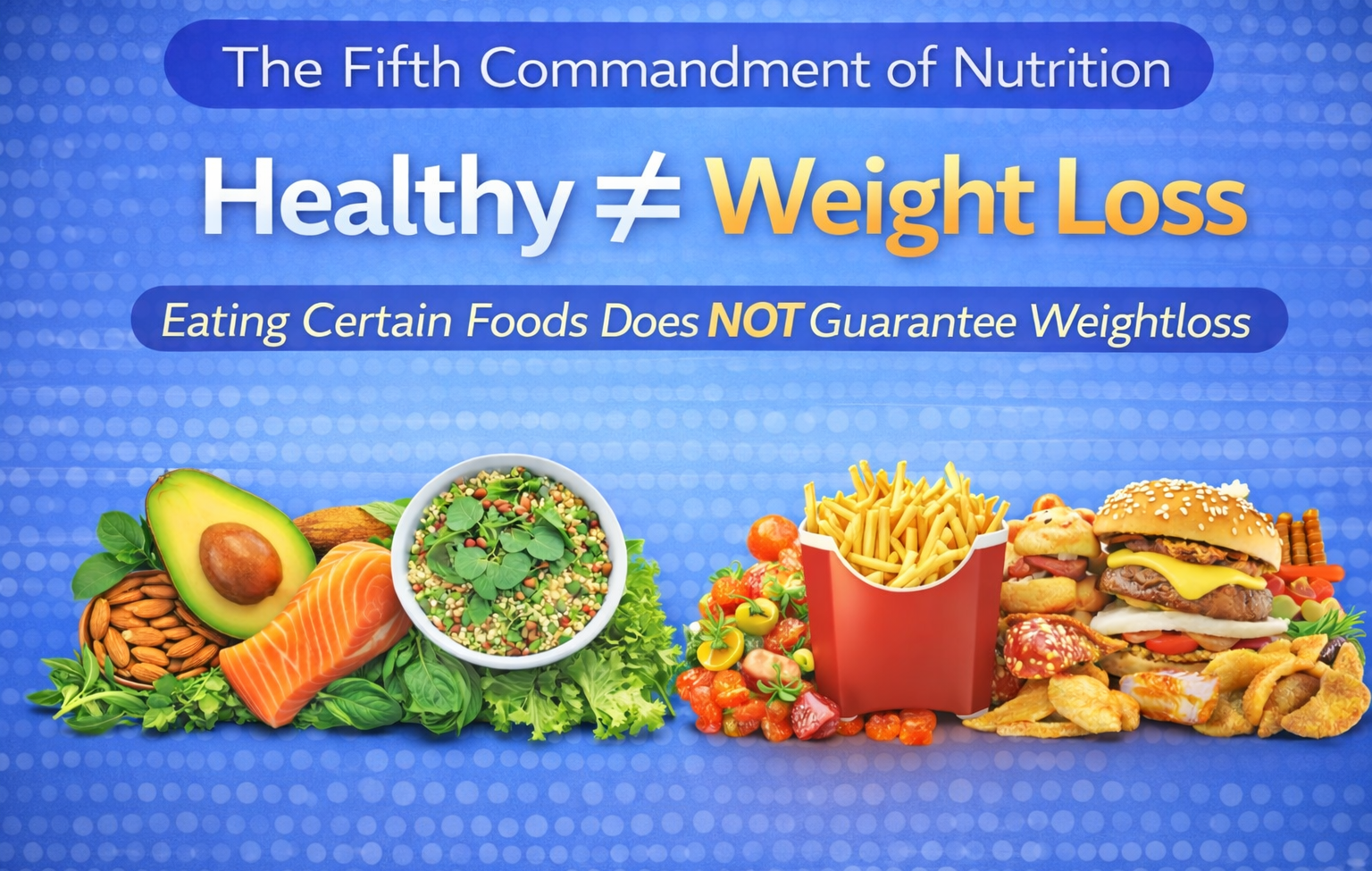
The Fifth Commandment of Nutrition
“Healthy” and “weight loss” are not the same.
People often use the word healthy as if it automatically means fat loss.
But they are not synonyms.
You can improve health without losing weight.
You can lose weight without improving health.
And sometimes, people think they’re doing one… when they’re actually doing neither.
Why “Healthy” Foods Don’t Guarantee Weight Loss
This is where most people get tripped up.
They start focusing on labels like:
- organic
- non-processed
- clean eating
- natural
- no artificial ingredients
- gluten-free
- non-GMO
And while some of these may relate to food quality, none of them guarantee a calorie deficit.
Which means none of them guarantee weight loss.
You can absolutely eat:
- organic snacks
- “clean” meals
- non-processed foods
…and still consume more calories than your body needs.
If that happens consistently, your weight will go up, not down.
Because, as we covered in the first commandment:
Calories determine your body weight.
You Can Gain Weight Eating “Healthy” Foods
It’s very common for people to switch to a “healthier” diet and be surprised when the scale doesn’t move — or even goes up.
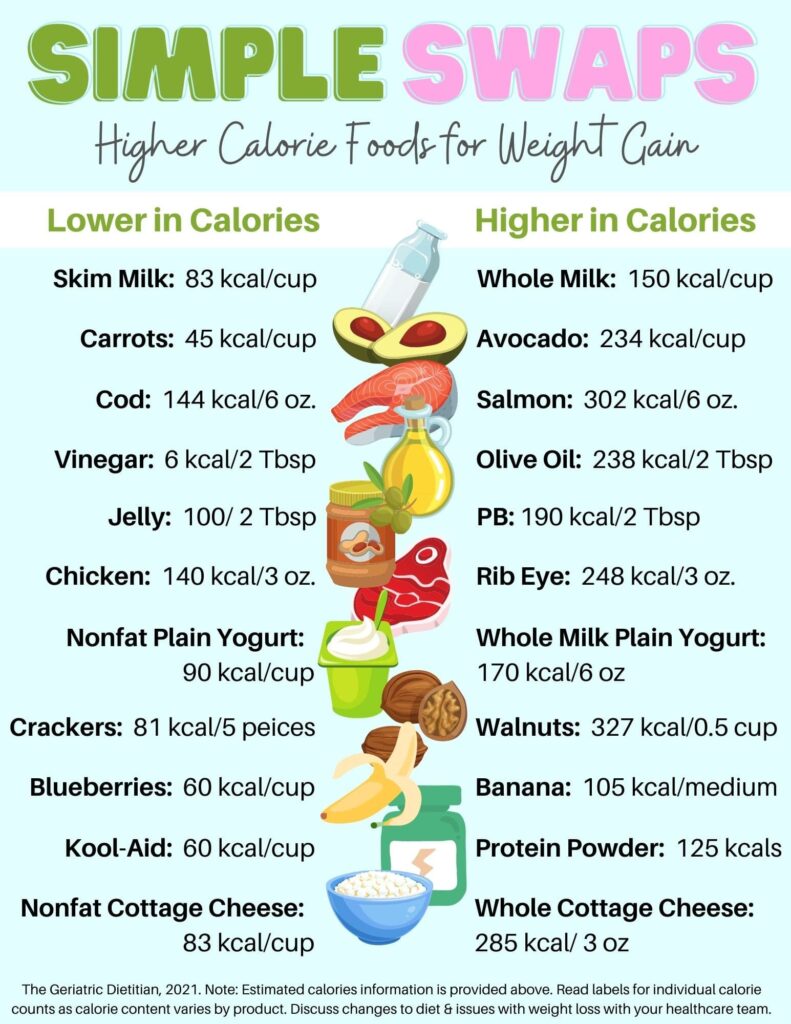
That’s because many “healthy” foods are still calorie dense.
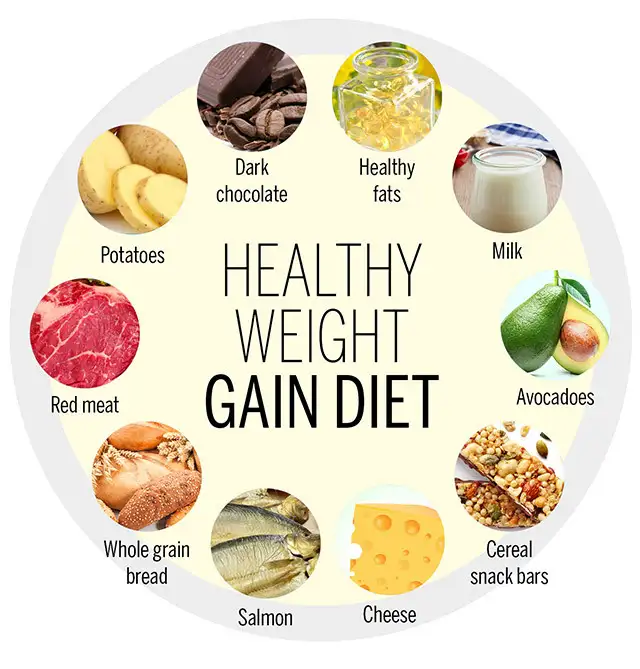
Examples:
- nuts and nut butters
- avocado
- olive oil
- granola
- smoothies
All of these can absolutely be part of a healthy diet.
But if total calorie intake is too high, they will still contribute to weight gain.
The label “healthy” doesn’t override energy balance.
You Can Lose Weight Eating “Unhealthy” Foods
On the flip side, someone could technically lose weight eating mostly processed foods.
If total calorie intake is below maintenance, weight loss will occur.
That doesn’t mean it’s a great long-term strategy for health.
But it reinforces an important point:
Weight loss is driven by calories — not food labels.
Health and Body Composition Are Different Variables
This is the key takeaway.
There are multiple things happening in your body at the same time:
- Calories → control weight
- Macros → influence body composition
- Micros → support health
When people confuse “healthy eating” with fat loss, they’re mixing up different variables.
A well-rounded approach should consider all three.
What You Should Actually Focus On
Instead of relying on buzzwords, focus on what actually matters:
- total calorie intake
- adequate protein
- a mix of nutrient-dense foods
- consistency over time
You can absolutely include “healthy” foods.
But they need to fit within a structure that supports your goals.
The Takeaway
“Healthy” eating can improve how your body functions.
But it does not automatically change your body weight.
If your goal is fat loss, you still need to create a calorie deficit, regardless of how “clean” or “natural” your diet looks.
That’s why the fifth commandment of nutrition is:
“Healthy” and “weight loss” are not the same.